Former Visiting Fellows
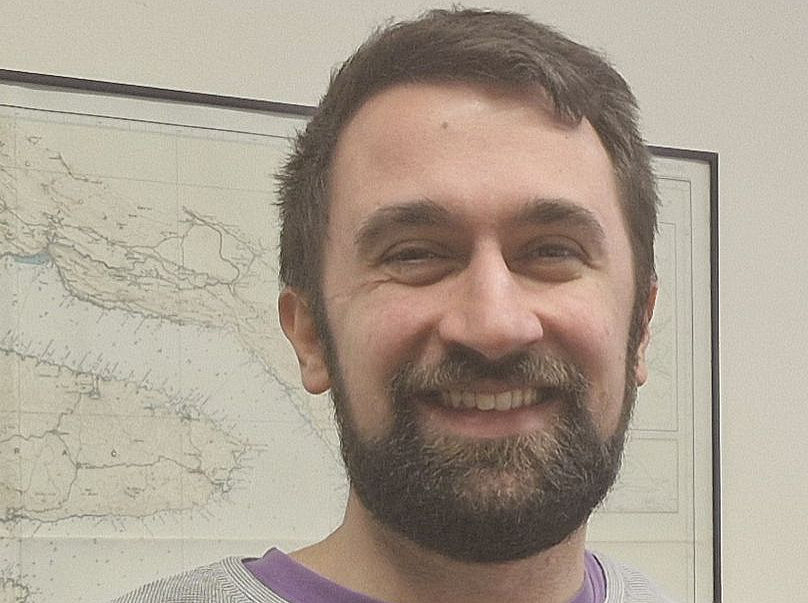
C. K. Martin Chung
Dr. Martin Chung is a political scientist and historian of conflict and peace in contemporary Europe and East Asia. His research interests revolve around the successes and failures of political reconciliation in different historical and relational contexts. His works are interdisciplinary and often comparative, researching at the intersections of politics and religion, collective memory and identity, public apologies and transitional justice. In his first monograph, Repentance for the Holocaust: Lessons from Jewish Thought for Confronting the German Past (Cornell University Press 2017), he explores the role of religious ideas in German Vergangenheitsbewältigung (coming to terms with the past).

In Reconciling with the Past: Resources and Obstacles in a Global Perspective (Routledge 2017, co-edited with Annika Frieberg), he analyses the ideas of apology and confession in Chinese and European contexts and the problem of their political application at present. His articles have appeared in Parliamentary Affairs, International Journal of Transitional Justice, History & Memory, British Politics, European Legacy, Jahrbuch des Dubnow-Instituts and Jahrbuch für Politik und Geschichte.
Brownbag: Comparative Reconciliation and the Normalization of Memory
Further info: https://gis.hkbu.edu.hk/people/prof-c-k-martin-chung.html
Oriane Girard
Oriane Girard is a PhD candidate in Visual Anthropology at Aix-Marseille University, affiliated with the Institut d’ethnologie et d’anthropologie sociale (IDEAS, CNRS) and the French School of Athens (EFA). Her doctoral research focuses on the history of visual ethnographic practices in Albania, particularly on photographic archives produced between 1944 and 1991. She is interested in the role of women ethnologists, in the scientific and transnational collaborations that shaped their archives, and in how socialist regimes framed both their production and circulation. More broadly, her project aims to explore the entanglements of materiality, visuality, and subjectivity in the ethnology of the Balkans during the second half of the twentieth century.

Nikos Psochios
Nikos Psochios is a Ph.D. researcher at the School of Education, University of Glasgow, UK. His PhD project, “The Borderlands of Care: Palliative Interventions, Minimalist Humanitarianism, and Education for Adult Refugees in Contemporary Greece,” funded by the Economic and Social Research Council (ESRC), explores the experiences of transit education of displaced men in Greece. Before delving into his Ph.D studies, he completed the Int. MA in Adult Education for Social Change (2021 - Erasmus Mundus Scholarship Recipient, University of Glasgow) and the MA in Education and Human Rights (2015 -National and Kapodistrian University of Athens & IoE UCL). He has professional background in community education for displaced individuals and has worked for international non-governmental and governmental organisations in Greece. Nikos’ interests include: bordering and lifelong learning; affect theories and migration; gender, sexuality, and adult education; arts-based methodologies.
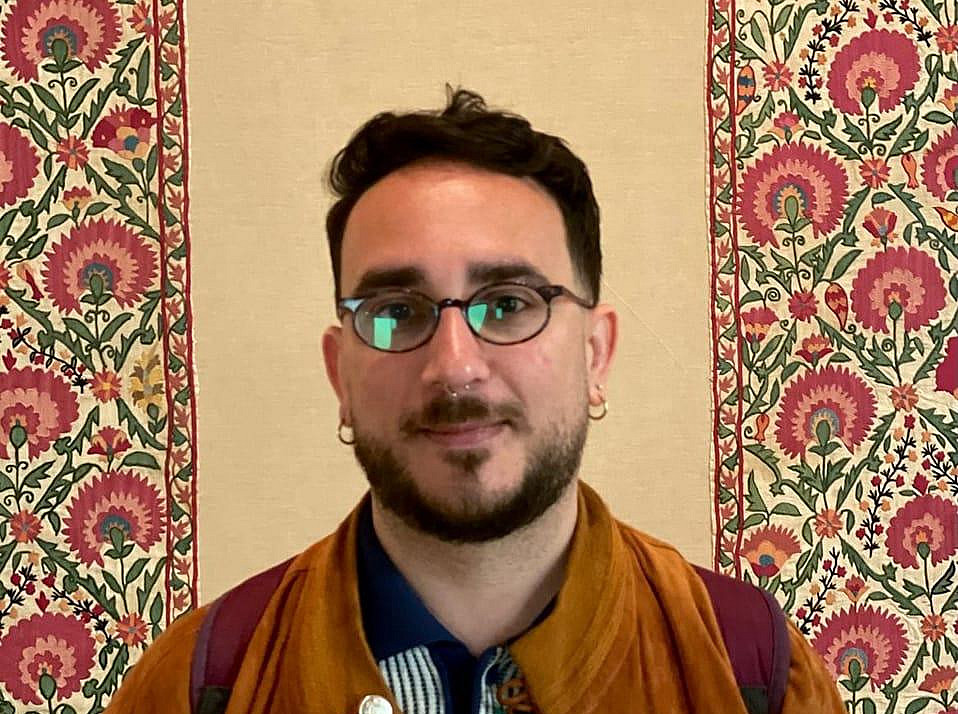
Vesna Vuković
Vesna Vuković is a PhD candidate at the University of Zadar's Department of Art History, with a dissertation titled "Women's Visual Art Production, Feminism and the Cultural Logic of Late Socialism: Contradictions and Correlations". Her research interests include modern and contemporary art relations with political and social movements, socially engaged art, and socialist and Marxist feminism.
She was an associate at the Academy of Fine Arts Zagreb and the Art Academy in Split, and has been lecturing in the framework of a few non-institutional educational programmes. Her writings on Yugoslav art, contemporary art and theory have been published in academic journals, publications, as well as magazines and exhibition catalogues.

As a member of Zagreb-based curatorial collective [BLOK], she has conducted numerous exhibitions, researches, publications and projects in the field of socially engaged art. From 2018 she has been editor of the BLOK's book series Tendencija, focused on the Marxist approach to art history.
Brownbag: The UN Decade for Women in Art in Socialist Yugoslavia. Challenging the Autonomous Paradigm
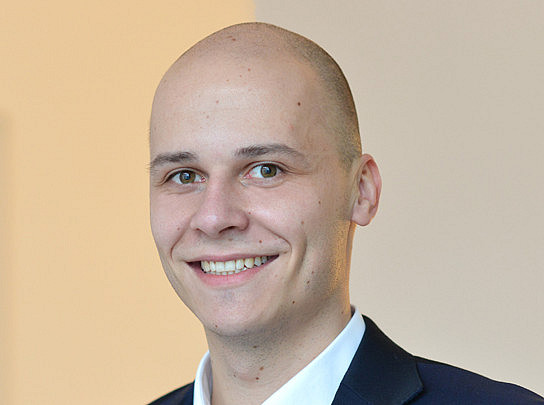
Oliver Kannenberg
Oliver Kannenberg is a research associate at the Institute for Parliamentarism Research (IParl) in Berlin and a doctoral candidate at the Martin Luther University Halle-Wittenberg, where he completed his Master's degree in the "Parliamentary Issues and Civil Society" programme. His dissertation focuses on the institutionalisation processes of parliaments in Croatia, Montenegro and Serbia.
Oliver's research focuses on comparative parliamentarism, coalition-building processes and the organisation and (personnel) stability of parliamentary groups. In addition to Germany, the regional focus of his work is on the parliaments and political systems of Southeast Europe.
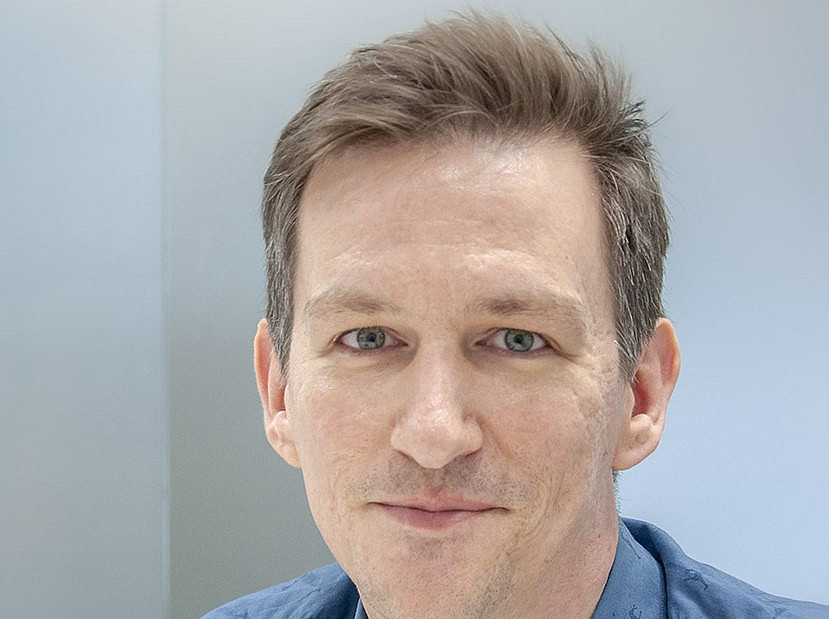
Vujo Ilić
Vujo Ilić is a research fellow and assistant director at the Institute of Philosophy and Social Theory, University of Belgrade. He holds a PhD in political science from Central European University, Budapest, where he specialised in comparative politics. His research interests include elections and democracy, political participation, conflicts, and violence, with a focus on Southeast Europe.
At the Institute, Vujo contributes to several research projects, including the Network of Networks for Democracy (Nets4Dem) and Enlightened Trust (EnTrust), both funded by the Horizon Europe programme. He is also a member of the Laboratory for Active Citizenship and Democratic Innovations. As an expert, he frequently consults for domestic and international organisations, specializing in public policy development and empirical research design, with an emphasis on election observation, citizen assemblies, and opinion surveys.
Recently, he co-edited Participatory Democratic Innovations in Southeast Europe (Routledge, 2024), contributed to Civic and Uncivic Values in Hungary (Routledge, 2024), and co-authored "The Pandemic in Illiberal Democracies" in Southeast European and Black Sea Studies (2024). He has received several awards, including the Central European University Best Dissertation Award (2020) and the Association for the Study of Nationalities Best Doctoral Paper Award (2016).
Brown Bag: "Autocratic Entrenchment in Central and East European Constitutional Courts".
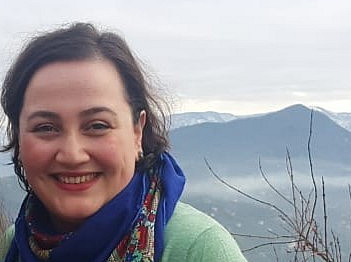
Seven ERDOĞAN
Seven ERDOĞAN is currently an Associate Professor at the International Relations Department of Recep Tayyip Erdogan University. She graduated from Boğaziçi University (İstanbul, Turkey) in 2007 and received her MA degree from Middle East Technical University (Ankara, Turkey) in 2010. Her MA thesis is on the Western Question of Muslim societies. She holds a PhD degree in European Studies from Ankara University (Ankara, Turkey). Her dissertation is on the role of the supranational institutions of the European Union in the accession process.
Her main research interests focus on various aspects of European integration, including the EU's external relations with accession and neighbourhood policy countries, the historical and institutional development of the Union, and the EU's migration agenda. She has published numerous book chapters and articles and has given numerous presentations and speeches. She is on the editorial board of two academic journals. She is also a member of the global paradiplomacy network.
In addition to her long and continuing interest in research on the European Union, her recent studies have focused on gender, paradiplomacy and climate change. Her recent publications have appeared in the Journal of Asian and African Studies and the Asian Journal of Women's Studies, indexed in SSCI. Her most recent piece entitled "From Neighbours to Potential Members: Is the War in Ukraine a Critical Juncture for the European Union's Enlargement Policy?" will be published on March 2025 in Siyasal: Journal of Political Sciences, indexed in ESCI.
Brown Bag: The Implications of the European Green Deal for the Realm of Enlargement: Reading the Process through EU-Turkey Relations
Gabriele Leone
Gabriele Leone, Ph.D., holds a master's degree in Political Science and International Relations from the University of Calabria (UNICAL), where he completed a thesis on the birth and evolution of protest in the Turkish Republic and the role of the PKK in the Kurdish movement. His Ph.D. dissertation, which was done at the University of Lapland, focused on political-philosophical investigations aimed at clarifying the power relations between the Turkish nation-state and the unrecognised Kurdish minority. This research contributes to the extensive literature on the subject, particularly addressing the segment of biopolitical mechanisms and their potential totalitarian effects on Turkish democracy.

During the Summer Semester of 2023, Gabriele Leone was a Junior Visiting Fellow in the Field of Excellence "Dimensions of Europe" Programme. While residing in Graz from March to June 2023, he researched the project titled "Turkey: Biopolitics and National Identity." His work explored the motivations driving the nation-state to employ biopolitical practices, understood as biological extrapolations of the political enemy, and examined the prospects for a possible rapprochement between Turkey and the EU regarding offers for the Kurdish minority. During the academic year 2024/2025, Gabriele Leone will be a Visiting Fellow at the Centre for Southeast European Studies.
Brown Bag: "Turkish-Syrian Border in the Aftermath of the Syrian Civil War: Between Necropolitics, Gender, and Ethnicity".
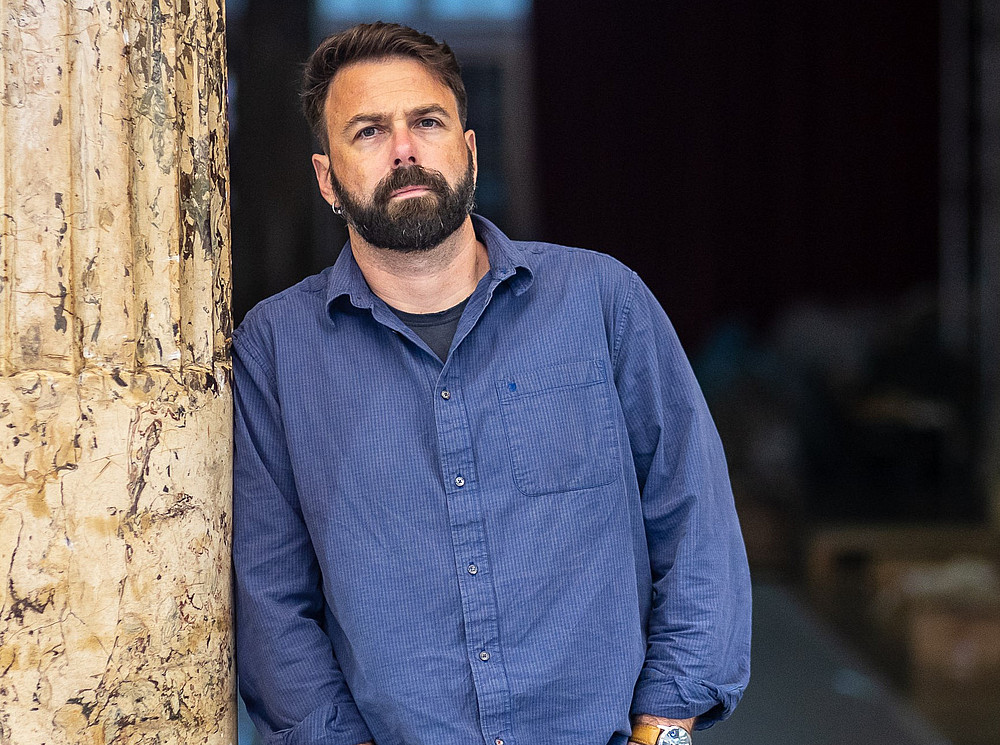
Andrea Matošević
Andrea Matošević is a professor at Faculty of Humanities, Juraj Dobrila University of Pula. He graduated in Ethno-anthropology and Italian Literature at the Faculty of Humanities and Social Sciences, University of Padua (2003), earned his MA degree in Intercultural Studies from the same faculty (2005) and his PhD in Ethnology and Cultural Anthropology from the Faculty of Humanities and Social Sciences, University of Zagreb (2010). His fields of research are ethno-anthropology, history of ethnology/anthropology, oral history, industrial anthropology, popular culture, theories of multiculturalism and philosophy.
He has published and edited nine books and published a volume for Berghahn Books Almost, but not Quite Bored in Pula: An Anthropological Study of the Tapija Phenomenon in Northwest Croatia. He has been a visiting scholar at University College in London, at Institute of East and Southeast European Studies (IOS) in Regensburg and at University of Padua.
Brown Bag: Shipbuilding Knowledge: Yugoslav Socialism, Documentaries and Community
Danilo Šarenac
Danilo Šarenac (1980) is a senior researcher at the Institute of Contemporary History in Belgrade. He defended his dissertation at the University of Belgrade in 2011. His research focuses on the cultural and social impact of the 1912-1918 wars in the Balkans. He also deals with topics related to the culture of remembrance and the history of technology.
Brown Bag: How to Historicize a Paranoia: Serbia's defence against the Revision of History (2014-2018)
Samantha Guzman
Guzman received an MA in Comparative History from Central European University in 2016 and a second MA in Military History and Strategic Studies from the National University of Ireland, Maynooth in 2018. She is a PhD candidate at the Historical Institute of the University of Bern in Switzerland and currently a visiting researcher at the Centre for Southeast European Studies at the University of Graz. The topic of her dissertation is the formation of Kosovar Albanian political and nationalist organisations in Central Europe during the twentieth century.
Vladimir Vučković
Vučković is a visiting lecturer at the Department of International Relations and European Studies at Masaryk University. His research focuses on the European Union, populism in Europe and political and socio-economic developments in the Western Balkans. In 2017, he held a visiting fellowship at the Department of Political Science at Stockholm University. He is the author of the monograph Europeanizing Montenegro: The European Union, the Rule of Law, and Regional Cooperation (2021) and editor of the volume Balkanizing Europeanization: Fight against Corruption and Regional Relations in the Western Balkans (2019). His publications have appeared in the Journal of Slavic Military Studies, Romanian Journal of European Affairs and Europe-Asia Studies and Political Studies Review, among others.
Sarah Craycraft
Craycraft is a PhD candidate in Comparative Studies and Folklore at Ohio State University. Her dissertation focuses on rural revitalisation in Bulgaria, specifically exploring residency projects as forms of return and reconnection between generations and places in comparison to other forms of engagement with village life - physical mobility, nostalgic return, curated short-term experiences (volunteering, travel/tourism, residencies), commodification and consumption. Other interests include heritagisation and revival, ideologies/pedagogies of needlework, public humanities, embroidery and women's textile practices, space and place studies, Appalachian folklore and border studies.
Brown Bag: Reinventing the Village: Youth, Heritage, and Revitalisation in Contemporary Bulgaria
Dimitra Mareta
Mareta holds a PhD in Political Science from the Panteion University of Social and Political Sciences. She currently teaches political science at the Aristotle University of Thessaloniki, where she is also a post-doctoral researcher, and was a visiting scholar in political science at the University of Peloponnese during the 2018-2019 academic year. Her research and teaching interests include state theory and theory of sovereignty, counterrevolution, Greek politics, right-wing politics, liberalism and neoliberalism. She has published academic articles on the state, sovereignty and liberalism and has participated in national and international conferences.
Brown Bag: The Neoliberal Transformation of Higher Education in Greece
Martina Plantak
Plantak is a doctoral candidate in politics at the joint Ph.D. programme of Andrassy University Budapest and Danube University Krems. She completed a Master's degree in International Relations and Diplomacy in Zagreb, Croatia. Her research focuses on nationalism, media, Europeanisation and the Western Balkans. She is currently working on her dissertation on nationalism and identity politics of the second generation of migrants from the former Yugoslav countries in Slovenia. Plantak has written articles on the Europeanisation and regionalisation of the media in the Western Balkans and on the role of music as a means of political propaganda.
Aslı Aygüneş
Aygüneş received her B.A. in American Culture and Literature from Bilkent University and her M.A. in Women's and Gender Studies from the University of South Florida. She is currently a doctoral candidate in the PhD programme in Gender Studies at Sabanci University. Her research interests are feminist organising, activism and transnational feminism. Her recently published works are: Aygüneş A., & Golombisky, K. (2020). "Shifting Subjectivities, Cultivating Safe Spaces: Mothers' Perspectives on Women's Virginity in Contemporary Turkey" Journal of Research on Women and Gender, 10(1), 23-42.
Brown Bag: Reflections on Volunteering and Civic Participation in Gender NGOs in Turkey
Jovana Papovic
Papovic is currently pursuing a PhD in history at the École des Hautes Études en Sciences Sociales in Paris (EHESS-CETOBaC), where she is researching the political, cultural and social impact of the Sokol movement in interwar Yugoslavia. Previously, she completed a Master's degree in Anthropology at EHESS and a Master's degree in Cultural Studies at the Faculty of Political Sciences in Belgrade. She has also conducted research and published articles and book chapters on youth cultures and activism in contemporary Serbia.
Brown Bag: The Manufacture of a Yugoslav Culture : the Sokol Movement in Interwar Yugoslavia
Maria Adamopoulou
Adamopoulou is a PhD candidate in history at the European University Institute (Florence). She is a historian by training, but always open to interdisciplinary debates. She is currently working on her dissertation on Greek labour migration to the Federal Republic of Germany in the period 1960-1989, focusing on the Greek government's initiatives towards guest workers in West Germany and their reactions and counter-initiatives. Her research focusses on social and cultural history, oral tradition and memory as well as migration research.
Brown Bag: Greek Guest Workers in the Federal Republic of Germany: 30 Years in 30 Minutes
Karlo Kralj
Kralj is a doctoral candidate in political science and sociology at the Faculty of Political and Social Sciences of the Scuola Normale Superiore and a member of the Centre on Social Movement Studies. As part of his PhD project, Karlo is analysing the recent cases of radical left parties in the post-Yugoslavian context. His main research interests are social movement studies and left activism in post-socialist Europe. Before starting his doctoral studies, Karlo was active in Zagreb-based organisations, most notably the Croatian Youth Network and the Centre for Peace Studies, where he was involved in organising advocacy and protest campaigns.
Brown Bag: Pathways to Politics: Radical Left Electoral Turn in Southeast Europe
Boshko Stankovski
Stankovski received the Partnership for Peace Fellowship for 2020 at the NATO Defence College in Rome, Italy. His PhD thesis at the University of Cambridge focuses on peace agreements on self-determination and secession disputes and the engagement of the international community in this process. He holds an MPhil in International Relations from the University of Cambridge. Boshko Stankovski was a 2014/2015 Research Fellow at the Program on Negotiation at Harvard Law School, where he studied the complexity of secession negotiations and the role of international law. He has served as an expert witness and prepared reports for the Danish Refugee Council and the Council of Europe, as well as a case study on the Ohrid Framework Agreement for the Berghof Foundation of Berlin and the UN Mediation Support Unit. He was a McCloskey Fellow at the Institute of Russian and East European Studies in Bloomington, Indiana, USA (2010), and a visiting scholar at Sydney Law School, Australia (2012). He is a member of the core team of the Conflict Analysis Lab at Queen's University in Kingston, Canada, and a senior associate of NNEdPro at the University of Cambridge.
Ivo Bosilkov
Bosilkov is a PhD candidate in Political Science at the Network for the Advancement of Social and Political Studies at the University of Milan and at the Amsterdam School of Communication Research at the University of Amsterdam. His PhD thesis focuses on the impact of media coverage of the migrant crisis on the populist attitudes of Macedonian citizens. He is currently working on developing the doctrines of illiberal-transformative populism, a central concept in his doctoral thesis. In addition to populism, his research interests include media framing, European identity and political psychology. His preferred research methodology is experimental design.
Brown Bag: The Dimensions of Illiberal-Transformative Populism
Ivana Polić
Polić is a PhD candidate in the Department of History at the University of California San Diego, where she is also a teaching assistant for the "Making of the Modern World" programme. She holds a Master's degree in History and English Language and Literature (Teaching) from the University of Rijeka, Faculty of Humanities and Social Sciences. Her research interest is the history of Southeast Europe after 1945, with a focus on the history of childhood. Her dissertation project deals with the significance of children for nation-building in post-independence Croatia and Serbia and was supported by the ASEEES Dissertation Research Grant and the Frontiers of Innovation Scholars' Programme of the University of California, among others.
Ezgi Guner
Guner received her BA degree in Cultural Studies from Sabanci University in Istanbul. She is currently a PhD candidate in the Department of Anthropology at the University of Illinois at Urbana-Champaign. Her dissertation focuses on the nexus of ethnicity and religion with global capital accumulation in the context of Turkey's contemporary relations with sub-Saharan Africa. With support from the SSRC, the Wenner-Gren Foundation and the UIUC Graduate College, Guner conducted ethnographic research with businesses, state institutions, religious non-governmental organisations and Islamic schools in Turkey, Tanzania, Senegal, Benin and The Gambia. In 2018, she was a visiting scholar at the Department of Anthropology at Harvard University. Her research interests include critical ethnicity, humanitarianism, ethnography of the state, Islamic education, Turkey, West Africa.
Brown Bag: Rethinking Race in Turkey in and through 'Sub-Saharan Africa'
Dimitrios Kosmopoulos
Kosmopoulos holds an MA in Political Science and History from the Panteion University of Social and Political Sciences in Greece and a PhD in Political Science from the University of Paris-Dauphine-PSL. His doctoral thesis deals with the political upheavals in Greece between 2010 and 2014, a period marked by the economic crisis and the implementation of structural and economic adjustment programmes. His research interests include the study of party systems and political crises, the sociology of political parties and political elites, and European politics in a comparative perspective. He is also interested in the structure of politics and politics in Southeast Europe.
Brown Bag: Migration policies in Greece since 2014 : Framing Migrant Crisis as a Transnational Issue
Marina Vulović
Vulović is a PhD candidate at the University of Helsinki (2017-2020) in the Doctoral Programme for Political, Social and Regional Change (PSRC). She holds a B.A. degree from the University of Belgrade, Serbia, and an M.A. degree from the University of Heidelberg, Germany. Her PhD project focuses on Serbian-Kosovar relations and examines how hegemonic narratives around political myths have been renegotiated in Serbia since 2012, focussing in particular on the importance of Kosovo for the Serbian nationalist project. Her recent and forthcoming publications deal with the Brussels dialogue, performative statehood in Northern Kosovo, etc. She is also working on a series of articles for a local NGO in Kosovo to bring the Brussels dialogue closer to the public. She has been a visiting researcher and PhD candidate at the University of Oxford, UK (2018), the University of Graz, Austria (2019) and the Leibniz Institute for East and Southeast European Studies, Germany (2020).
Brown Bag: The Belgrade-Pristina Dialogue since 2012: From Community to Partition
Slavka Karakusheva
Karakusheva is a PhD candidate at the Department of History and Cultural Theory at the University of St Kliment Ohridski in Sofia. She holds a Master's degree in Cultural Anthropology and a Bachelor's degree in Cultural Studies from the same institution. Her research focuses on the connections between migration processes, identification strategies and the politics of nation-building in relation to Turks in/from Bulgaria. Research interests in the fields of: Migration, mobility and transnationalism; nation-building, minorities, identity and belonging in the Balkans; memory studies; media anthropology; Ottoman heritage.
Jessie Hronešová | |
Krisztina Rácz | |
Ana Sekulić | |
Timofey Agarin | |
Gruia Bădescu | |
Odeta Barbullushi | |
Ksenija Berk | |
Sara Bernard | |
Nataša Beširević | |
Cyril Blondel | |
Čarna Brković | |
Anita Buhin | |
Goran Dokić | |
Petar Dragišić | |
Igor Duda | |
Andreas Ernst | |
Madigan Fichter | |
Nataša Gregorič Bon | |
Ana Grgić | |
Hilde Katrine Haug | |
David Henig | |
Andrew Hodges | |
Ana Hofman | |
Milorad Kapetanović | |
Iva Kosmos | |
Karla Koutkova | |
Gezim Krasniqi | |
Ana Ljubojević | |
Staša Lučić | |
Jovana | |
Marek Mikuš | |
Chiara Milan | |
Nataša Mišković | |
Marijana Mitrović | |
Raoul-Helmut Boris Ott | |
Ahmet Erdi Öztürk | |
Aleksandar Pavlović | |
Katarina | |
Ksenija Perković | |
Lorena Pullumbi | |
Ivan Rajković | |
Piro Rexhepi | |
Francesca Rolandi | |
Alfredo Sasso | |
Besa Shahini | |
Franziska Singer | |
Murat Somer | |
Ljubica Spaskovska | |
Darko Stojanov | |
Nuri Ali Tahir | |
Dane Taleski | |
Bogdan Trifunović | |
Željana Tunić | |
Jelena Vasiljević | |
Ivan Vukovic | - |
Natasha Wunsch | |
Bilge Yabanci | |
Bogdan Zawadewicz | |
Aleksandra Zdeb | |
Simon P. Watmough | |
Chiara Maritato | |
Katarina Kušić | |
Jelena Đureinović | |
Dunja | |
Ali Emre Benli | |
Lorenzo D'Orsi | |
Miran Lavrič |
Enduena Klajiqi
Enduena Klajiqi is a fundamental research fellow of the Research Foundation – Flanders (FWO) and a doctoral researcher at the Vrije Universiteit Brussel. Her dissertation focuses on encounters of feminist statebuilding in Kosovo during the 1990s. Her research interests lie in the nexus between feminist activism, nationalism and statebuilding practices.

Marina Kostić Šulejić
Dr. Marina Kostić Šulejić is a Senior Research Fellow at the Institute of International Politics and Economics (a scientific institute under the Ministry of Science of the Republic of Serbia) and Head of the Centre for Non-Proliferation, Arms Control and Disarmament of the Professional Association of Security Sector, a Belgrade based think-tank organization. She has published a dozen of research papers dealing with international institutions and world order, strategic and nuclear arms control and non-proliferation, bilateral and regional relations in the Western Balkans, security issues in Serbia and its policy of military neutrality, as well as the EU enlargement policy. In 2024, she published a monograph “Military neutrality and nuclear weapons: between a possession and a ban”, and, in 2022, a monograph “Strategic Stability in a Multipolar World”.
Marina received scholarships from Konrad Adenauer Foundation, Organization for Security and Cooperation in Europe, International Campaign to Abolish Nuclear Weapons (in 2023) and Joint Excellence in Science and Humanities of the Austrian Academy of Science (in 2024). On several occasions she was a mentor in the framework of the EU Non-Proliferation and Disarmament Internship Program. Her ORCID is: https://orcid.org/0000-0002-1342-7332.
Brown Bag: Thirty Years of Austrian Membership in the EU: Experiences for Serbia
Tahir Latifi
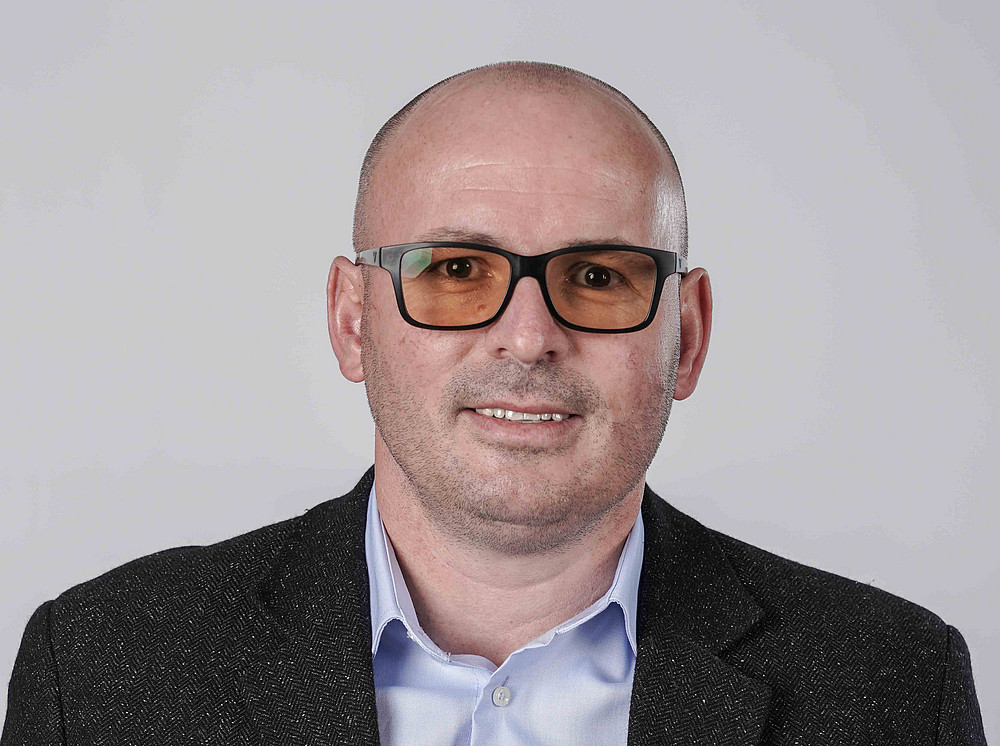
Tahir Latifi is an Assistant Professor at the Department of Anthropology at the University of Prishtina. He completed his PhD studies at the University of Graz, Center for Southeast European History and Anthropology. His research focuses on family and kinship, gender, social policy, migration, demography, and cultural heritage. Recently, he has worked on several projects: Cultural Identity of ethnic minorities in Kosova: An Anthropological Study; Researching and Documenting the Memory of Albanian migrants – Gastarbeiter; The curatorial conception and design of the museum exhibition (one of the curators) of the Museum of the Krusha e Madhe Massacre; "Kujtesa e Kosovës: Rrëfimet e të mbijetuarve të masakrës së Krushës së Madhe" [Kosova memory: Documenting the stories of survivors of the Krusha e Madhe massacre]; Documentation of intangible cultural heritage of Kullas (a traditional fortified tower house) in Dukagjini Plateau; Historical demography in Kosova.
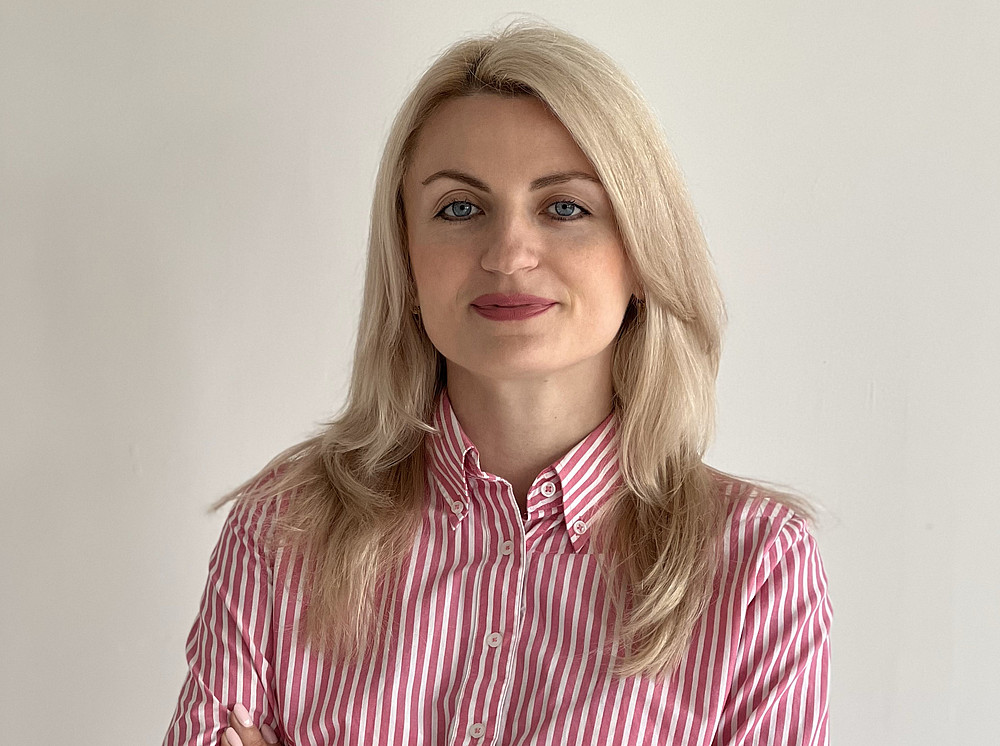
Tetiana Drakokhrust
Tetiana Drakokhrust is a Doctor of Law, Associate Professor, and Professor at the Department of Theory of Law and Constitutionalism, Faculty of Law, West Ukrainian National University (Ternopil, Ukraine). Member of International security and cooperation center at West Ukrainian National University: coordinator of international cooperationCo-chairlady of Ukrainian Hub of European Law Institute (Vienna, Austria), founder of NGO “EDUCATIONAL START”, Head of the Ukrainian Bar Association Branch in Ternopil Region, Academician of the Academy of Political and Legal Sciences of Ukraine.
Her areas of expertise include MigrationLaw, Constitutionalism, and Public International Law. She is the author of numerous scholarly publications addressing key issues of legal system development, human rights protection, and the improvement of legislative authority mechanisms. Tetiana Drakhohrust actively engages in academic teaching, research activities, and participates in international projects and conferences.
Brown Bag: Climate change: Legal Trends