



BB: Performative Representation and Institutional Translation
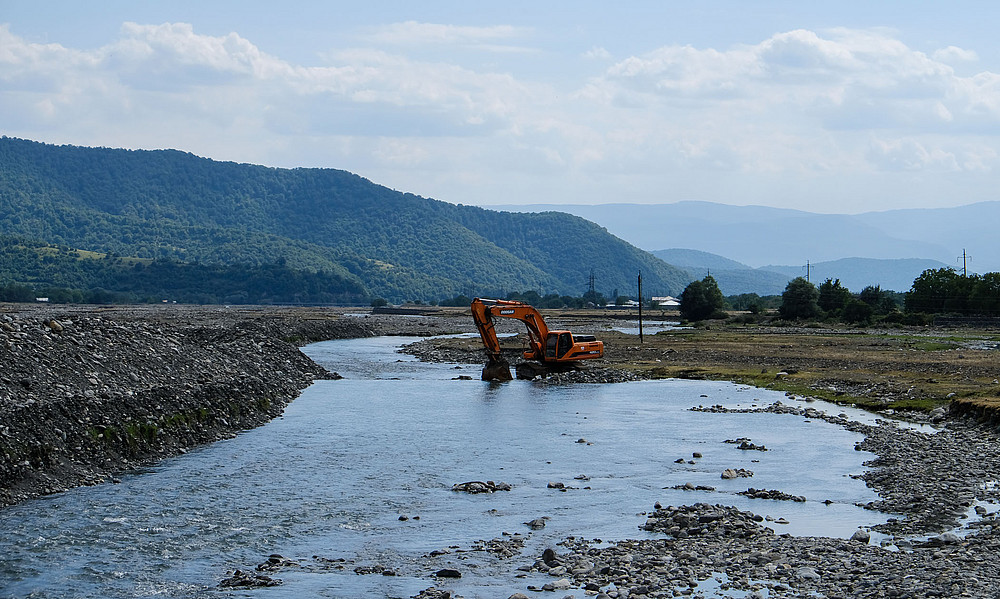
Across hybrid European states with weak institutional capacity and non-consolidated democratic structures, a troubling pattern emerges: environmental movements generate visible protests, articulate clear demands, and demonstrate substantial public support, yet systematically fail to achieve legislative change or policy implementation. This project examines the gap between performative representation - the act of making claims publicly - and institutional translation - the uptake of these claims into legislative processes and policy frameworks. I argue that hybrid state arrangements often permit representative performance while blocking institutional translation through two interconnected mechanisms: active elite resistance and structural incapacity. Integrating Saward's representative claim theory with scholarship on political opportunity structures in unconsolidated democracies and environmental politics in Eastern European contexts, the project uses process tracing and elite interviews to analyse two cases: protests against the Namakhvani hydropower dam in Georgia and mass protests against the Jadar lithium mining project in Serbia. Drawing on parliamentary records, elite interviews, and media/activist discourse, the project traces how environmental claims move - or fail to move - from protest to legislative agenda. The research specifies scope conditions for representative claim theory, develops a framework for democratic responsiveness in hybrid states, and offers insights for institutional design relevant to EU enlargement contexts.
Patrizia John holds an MA in Peace and Conflict Studies from Philipps-Universität Marburg, where her research focused on minority issues in Bosnia and Herzegovina. She completed her PhD in Politics at Queen's University Belfast, examining the political representation of environmental interests in deeply divided societies, with a comparative focus on Northern Ireland and Bosnia and Herzegovina. During her Visiting Fellowship at the Centre for Southeast European Studies, she works on her post-doctoral applications which aim at extending her focus on environmental interests eastward, exploring how similar dynamics of representation and institutional translation play out in Southeast European contexts, with case studies on Georgia and Serbia. Brownbag: Performative Representation and Institutional Translation: Environmental Protest in Georgia and Serbia