



The project "Afterlives of Unsold Goods: Secondary Markets and Continuations of Global Supply Chains in Southeastern Europe" (SECONDARY MARKETS) investigates ethnographically how brand-new, unsold merchandise, particularly from the fashion industry, is exported from EU countries to Southeastern Europe, especially Bosnia-Herzegovina and Serbia. At the centre of this multi-sited research are two companies from France and Germany, alongside informal traders who channel surplus EU goods into the so-called "secondary markets". This emerging trade is ultimately a product of global overproduction: items that failed to sell in their original markets are repackaged and marketed as fresh fashion to consumers across the Balkans, reflecting broader dynamics in how goods are circulated in the region.
The project addresses research gaps in the anthropology of “supply chain capitalism” beyond core markets, sheds light on power asymmetries between the EU and the semi-periphery and offers a critical perspective on the sustainability of redistributing overproduction. Expected outcomes include theoretical contributions to supply chain research, new insights into trade relations in Southeastern Europe, and well-grounded empirical evidence for policy debates surrounding the EU circular economy.
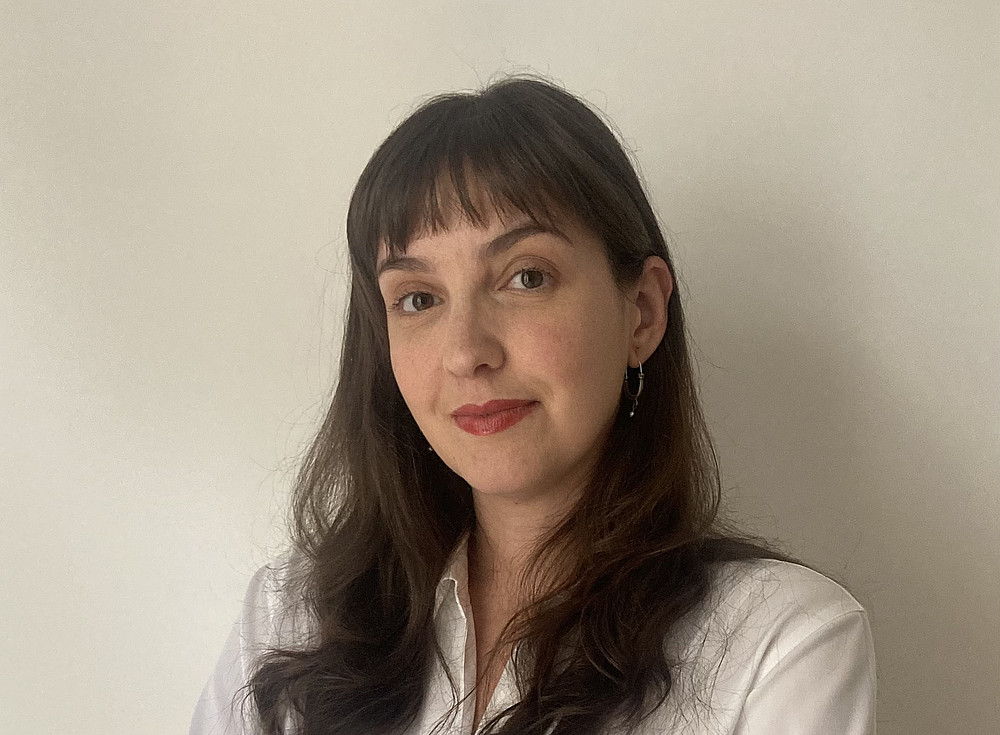
Milana Čergić is a social anthropologist. Her research interests lie in economic anthropology and transformations in Southeastern Europe. She studied how a supermarket chain influenced the social and economic transformation of the industrial town of Tuzla in Bosnia and Herzegovina, which led to a broader interest in post-Yugoslav economic transformations, global supply chains, labour and exploitation, as well as broader questions related to semi-peripherality. She is currently a postdoctoral researcher at the Institute for Film, Theatre, Media and Cultural Studies at Johannes Gutenberg University in Mainz. She holds a joint PhD in Social Anthropology from Martin Luther University Halle-Wittenberg and the École des Hautes Études en Sciences Sociales in Paris, completed at the Max Planck Institute for Social Anthropology.